
Sample Preparation and Sectioning Solutions for PCB, Semiconductor, and Composite Materials
When cutting small workpieces for metallographic samples, they can be hard to clamp securely, and the cuts often end up crooked or burnt. How should we deal with this?

The Following Is an Introduction to a Low-Speed Precision Specimen Cutter
Many laboratories face a dilemma when sectioning small workpieces: due to their small size and irregular shapes, standard fixtures often result in uneven clamping force. During cutting, the workpiece can wobble and deviate, leading to skewed cuts. Furthermore, high-speed cutting generates immense frictional heat. When this heat cannot be dissipated in time, the specimen surface is burnt or scorched, and internal stress cracks may form. By the time the sample reaches the subsequent mounting, grinding, polishing, and microscopic observation stages, the metallographic structure has already been distorted. Consequently, the conclusions of failure analysis and material inspection are inevitably inaccurate, resulting in a significant waste of both specimens and time due to repeated sample preparation.
Why Use a Low-Speed Metallographic Specimen Cutter for Electronic and Composite Materials?
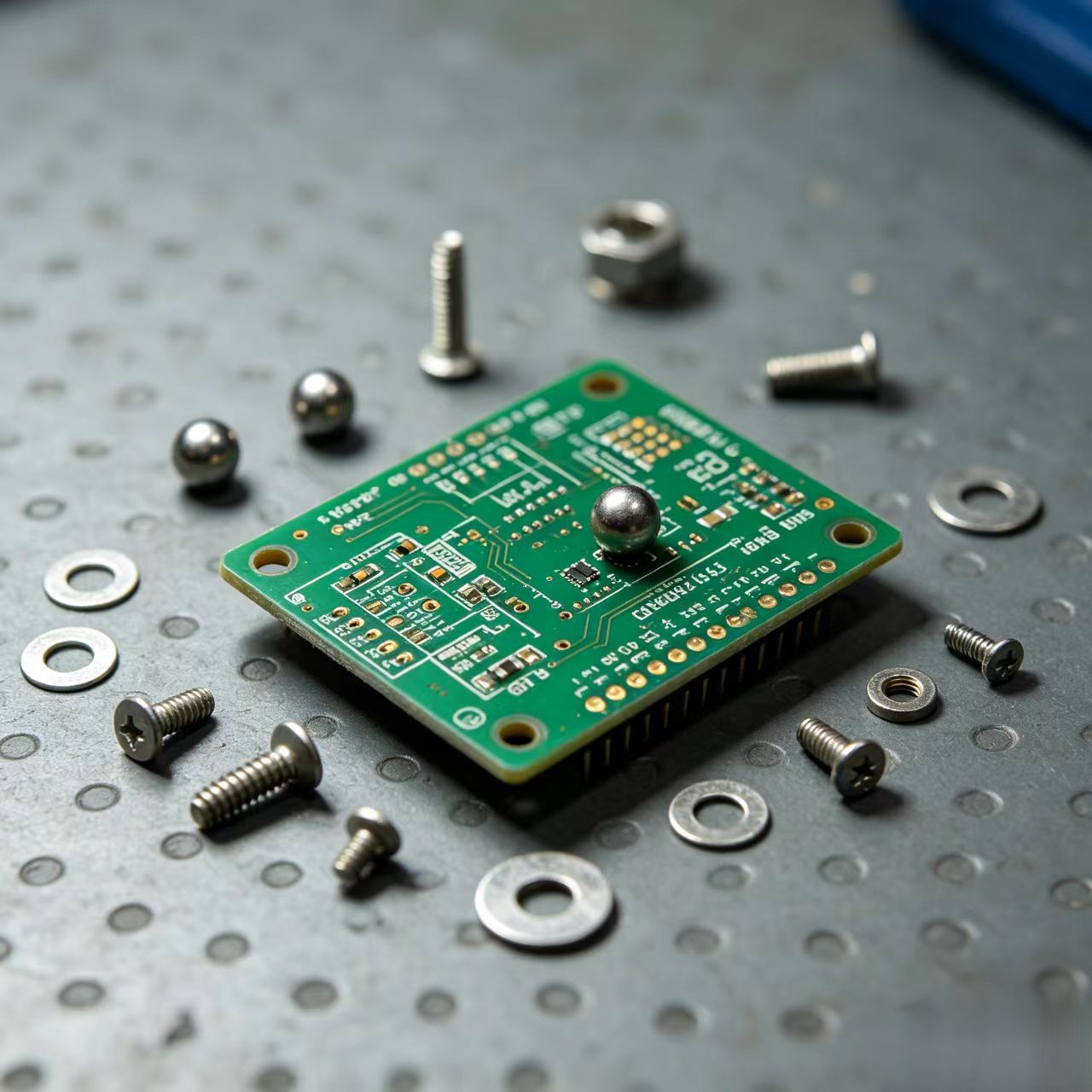
For metallographic sectioning, low-speed metallographic specimen cutters are also highly recommended for most electronic and composite materials, such as various PCBs, thin-sheet electronic components, metal matrix composites, organic polymer composites, and semiconductor chips. The critical observation interfaces of these materials are extremely thin, making them highly sensitive to impact and high temperatures. High-speed cutting can easily cause PCB delamination, micro-cracks in chips, or ablation of the resin matrix, directly destroying the interface structures that need to be observed.
Low-Speed Precision Cutting for Small and Fragile Specimens
The low-speed precision specimen cutter is tailor-made for preparing small workpieces, fragile composites, and delicate electronic specimens. It utilizes diamond cutting blades with a low linear cutting speed, combined with a continuous water cooling system that carries away the cutting heat during the process. This fundamentally prevents the specimen from being scorched or thermally damaged. Additionally, it is equipped with precision fixtures in various specifications to securely clamp miniature and irregularly shaped parts. This reduces cutting vibrations, ensures flat and accurate cuts, and guarantees that the sampling position is precise and controllable.

Low-Impact Sectioning to Protect Metallographic Structures
The low-impact cutting method significantly reduces mechanical stress, preventing hidden damage to brittle materials and thin-layer interfaces. Whether it involves miniature hardware components, fasteners, and thin-walled parts, or PCBs, semiconductor chips, and various composite boards, the system ensures stable sectioning while perfectly preserving the original metallographic structure of the material.
Why Sectioning Is Critical in Metallographic Sample Preparation
In metallographic sample preparation, sectioning is the critical first step. If the sampling is unstable, the cut is skewed, or thermal damage occurs, no amount of advanced grinding and polishing equipment or high-end metallographic microscopes can compensate for the flaws introduced at this initial stage. A highly versatile low-speed precision cutter not only guarantees stable sampling for small workpieces but also excels at the precise sectioning of highly sensitive specimens like electronics and composites. It provides a comprehensive solution to various sample preparation challenges, ensuring that every metallographic observation reveals the true microscopic morphology of the material.

Application Scope
Miniature irregular workpieces, fasteners, PCBs, thin-sheet electronic components, metal matrix / polymer composites, and semiconductor chip specimens.
Core Advantages
Secure clamping, flat and accurate cuts, water cooling to prevent thermal scorching, and low-impact/low-heat operation to protect thin-layer interfaces.
If your laboratory frequently struggles with sampling small parts or experiences delamination and ablation when cutting fragile materials, feel free to contact us. We provide comprehensive metallographic sample preparation solutions (Sectioning + Mounting + Grinding & Polishing + Metallographic Observation).

Contact Us for Low-Speed Metallographic Cutting Solutions
Need details on low-speed metallographic cutter parameters or custom cutting solutions? Contact us today! We provide tailored, fully automated metallographic sample preparation solutions to meet your specific needs.
Post time: Nov-21-2026


