

All heat-treated parts shall undergo hardness testing in accordance with the technical specifications on drawings and the requirements of process documents. The hardness tester must be calibrated with standard hardness reference blocks before testing, and hardness tests can only be carried out after passing calibration.
Prior to hardness inspection, the test surface of the parts must be cleaned thoroughly to completely remove scale, decarburized layers, burrs and other contaminants. No obvious machining tool marks shall remain on the test surface. Parts shall be tested at room temperature as the standard condition. If the workpiece temperature is slightly higher than ambient temperature, testing shall not proceed until the workpiece can be held steadily by hand.
Hardness test points shall be arranged as specified in process documents. In the absence of clear provisions, test points shall be jointly determined by process engineers and inspectors.
How to Select a Suitable Hardness Tester for Heat-Treated Parts
1.Brinell hardness testers are used for conventional normalized, annealed and quenched & tempered parts. Workpieces of this type feature low overall hardness, good ductility and uniform internal microstructure. The large-diameter cemented carbide indenter of Brinell testers creates a wide indentation area that covers multiple metallographic structures. The averaged hardness reading obtained is more stable and can truly reflect the overall comprehensive mechanical properties of the material.
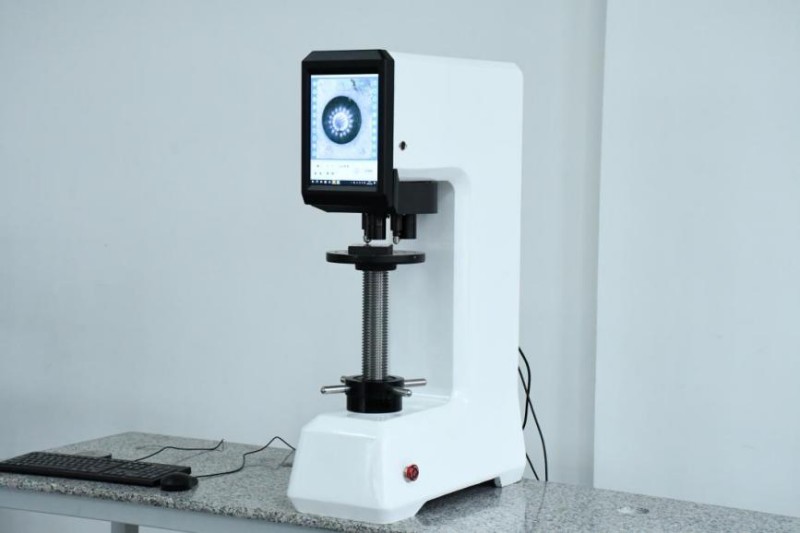
2.Hammer-type Brinell hardness testers can be adopted for large workpieces that cannot be mounted on bench testers, enabling rapid spot inspection on-site without cutting samples.
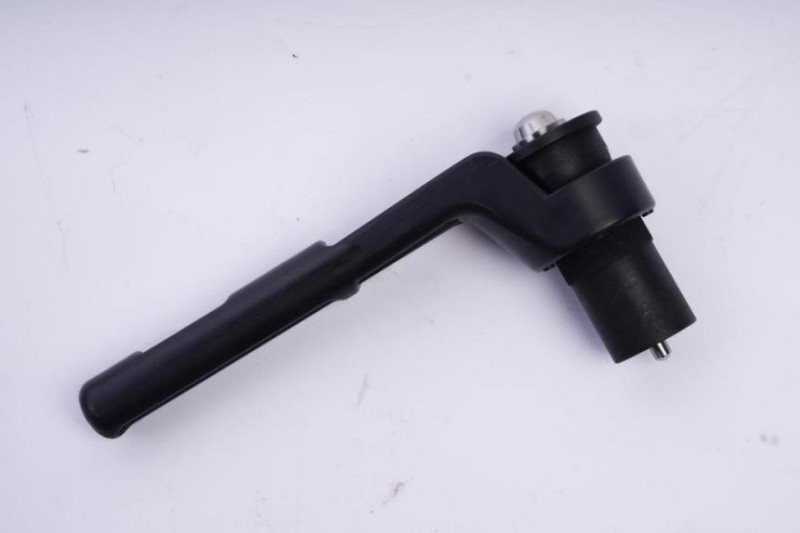
SCP-1P Brinell hardness tester is recommened for your Brinell test.Click below to check it.
3.Rockwell hardness testers are applied for quenched parts. Such quenched workpieces feature high hardness and relatively high brittleness. The Rockwell diamond cone indenter can withstand high test force and easily measure high hardness ranges. Its tiny indentation will not damage finely finished surfaces. Featuring fast testing and direct readings, it is suitable for mass inspection of finished products including shafts, molds and gears. Equipped with a V-type worktable, it can stably clamp round bar workpieces.
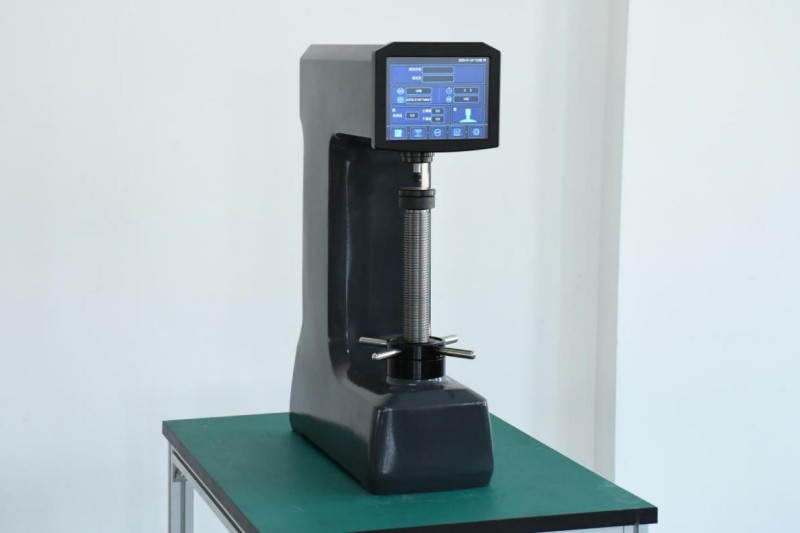
HRS-150S Rockwell hardness tester is recommened for your Rockwell test.Click below to check it.
4.Vickers hardness testers shall be used for carburized parts and workpieces with thin hardened layers. Carburized and nitrided workpieces only possess a thin hardened surface layer with a soft substrate underneath. Vickers testers support minor test forces and produce extremely shallow indentations that act solely on the hardened surface without penetrating through to the substrate. This allows accurate measurement of the true surface hardness.
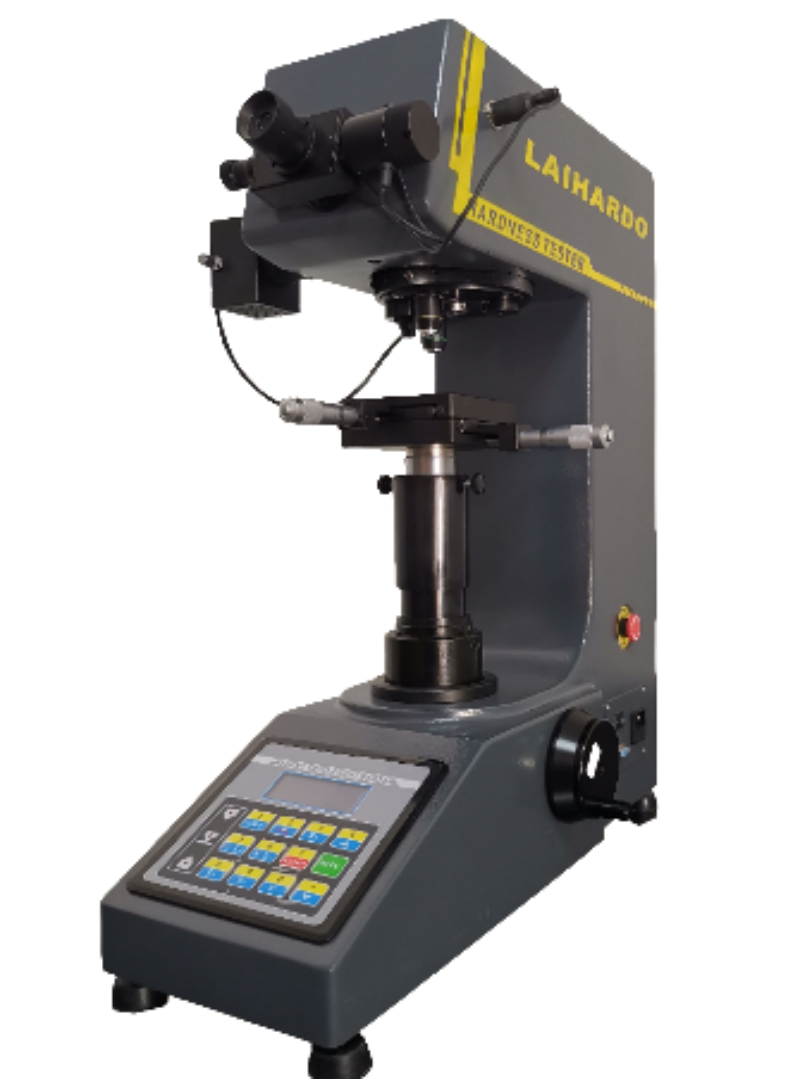
HVS-50A Vickers hardness tester is recommened for your Rockwell test.Click below to check it.
The above are only general guidelines for hardness tester selection. Actual testing conditions are complicated, and equipment selection is affected by workpiece dimensions, hardened layer thickness, and machining status. The final choice shall be determined based on the actual condition of workpieces. If you encounter any difficulties in model selection, feel free to contact Laizhou Laihua. We provide professional one-on-one customized hardness testing equipment solutions.
Post time: Jun-27-2026


